Nothing shapes a yard’s look, safety, and comfort quite like the fence that surrounds it. Pick the right style, and you will get quiet privacy, a safe space for playful pets, and a front face that welcomes guests with style. Choose poorly and you face gaps, escape-prone dogs, and extra chores. There are many materials, heights, and finishes, and each one solves different everyday needs. This blog shares clear tips so that your next fence stays strong, lasts long, and looks good from the street for years to come.
First Things to Consider
Choosing begins with a few yard basics. Measure the slope, mark property lines, and check city rules; some codes limit height at sidewalks. Study how the sun moves—solid panels may cast a long shade over the veggie bed. Think of pets, too: can your dog jump four feet or dig under rails? Agree with neighbors before posts go in, as many towns split maintenance costs on shared fences. Keep a simple checklist:
- Local permits: Fees, height caps, utility locates
- Soil type: Sandy, clay, or rocky ground affects post depth
- Purpose mix: Privacy, containment, and style do not always match
Plan for gate positions so walkways stay short and handy. Sorting these points now keeps later choices on track and on budget.
Wood Fence Basics
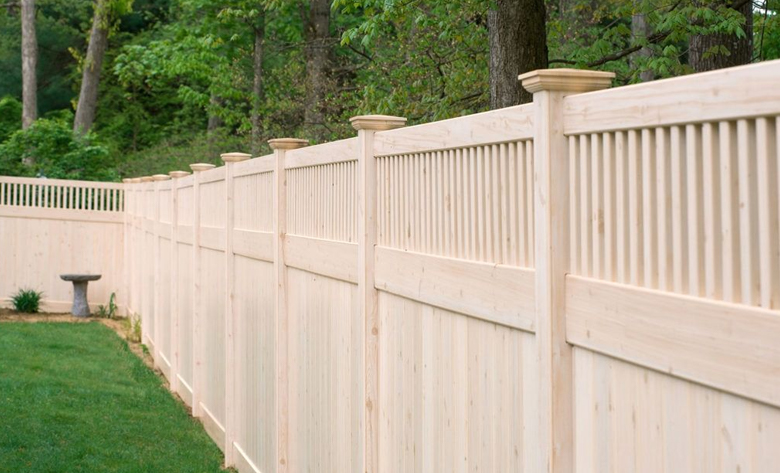
Wood stays popular because it is easy to shape, paint, and repair. Cedar fights insects with natural oils; pine is cheaper but needs treatment every few years. Boards come in pre-made pickets or tall six-foot panels. Use 4×4 pressure-treated posts set at least thirty inches deep in concrete. Keep boards one-quarter inch apart for shrinkage, then cap the top rail to block rain seepage into the end grain. Technical tips:
- Fasteners: Hot-dipped galvanized or stainless screws resist rust
- Sealing test: Sprinkle water; if beads form, wait to stain
- Warp control: Stagger seams and use three rails on eight-foot runs
With steady care, a wood privacy fence lasts over fifteen years and looks warm and classic.
Vinyl Fence Strength
If you prefer low upkeep, vinyl offers smooth panels that never need paint. Boards are extruded from PVC with UV blockers, so color stays bright for decades. Panels interlock with tongue-and-groove edges, stopping sight lines and dog escapes. Posts slide over aluminum stiffeners and mount in concrete just like wood. Installation notes:
- Temperature gap: Leave one-quarter inch for summer heat expansion
- Wind rating: Choose panels with 115 mph design loads for coastal areas
- Static charge wipe: Clean with soapy water and antistatic spray to cut dust
Vinyl costs more up front, yet soap and a hose replace yearly staining. For families who value free weekends, the math soon makes sense. Noise reduction is moderate, similar to a stockade wood fence.
Composite Fence Mix
Composite planks combine recycled plastic and wood fiber, giving the look of lumber with the stamina of vinyl. Boards resist rot, fading, and termites, yet accept normal wood-working tools. Most systems use grooved rails that hide corrosion-proof fasteners. Key facts:
- Density: Roughly 1.3 g/cm³, so planks weigh more than cedar
- Fire rating: Many brands carry ASTM E84 Class B for residential use
- Color change: Expect early weathering of two to three Delta-E units
Because planks are heavy, use 5×5 steel-reinforced posts and concrete footings wider than those for wood. However, cost rivals premium vinyl, recycled content keeps the choice eco-friendly, and may count toward green building credits. Sound dampening is excellent, blocking up to six decibels of street hum.
Chain-Link, But Better
Old bare chain-link may shout “industrial,” yet updated options check every box for pets, view, and cost. Galvanized or black vinyl-coated wire is woven through steel posts set ten feet apart. Privacy comes from colored slats or rolled-on mesh fabric that clips to the grid. Smart upgrades:
- Gauge choice: Pick a 9-gauge for large dogs that lean or climb
- Bottom rail: Adds strength and stops digging under the fence
- Screen shrubs: Plant fast-growing jasmine to soften metal lines
Chain-link lets wind pass, so it survives storms that push over closed panels. Material price is often half that of wood, making it perfect for wide yards where budget matters without surrendering security. Rust-inhibiting zinc coatings now carry 20-year warranties.
Metal Panels with Style
Powder-coated aluminum and steel panels offer straight sight lines that dress up modern homes. Unlike wrought iron, these panels arrive in rust-free sections that rack to match slopes. Many use hidden fasteners and brackets, so curious pets cannot snag collars. Technical insights:
- Spacing rules: A four-inch gap keeps small dogs and children’s heads safe
- Finish life: AAMA 2604 powder keeps color for 15 years under the sun
- Security add-on: Spear tips deter climbing without looking harsh
Steel weighs more; match it with 2-inch schedule-40 posts set three feet deep. Aluminum is lighter and perfect near pools where corrosion risk is high. Both accept low-voltage accent lights that improve curb appeal after dark. Panels also meet strict hurricane impact tests in coastal zones.
Living Green Barriers
A hedge can double as a fence when you have room and patience. Dense evergreens like Leyland cypress grow three feet a year and reach eight feet tall within a season. Bamboo clumps form quick screens yet stay in narrow beds when root-barrier fabric is used. Quick facts:
- Width needed: Plan for at least three feet clear on each side
- Water start: Drip lines help new plants settle during hot spells
- Local rules: Some towns still treat hedges as structures in setback counts
Noise filtering is best when leaves overlap; expect three to five extra decibels gone compared to wood. Yearly trimming, though, replaces pressure-washing and paint cans with hedge shears and mulch. Wildlife may nest, bringing songbirds and helpful insects to the yard.
Height, Gaps, and Gates
Privacy fences start at six feet; seven or eight feet for second-story windows, but may require stricter permits. For small dogs, watch ground gaps—three inches is plenty for air flow, yet stops escapes. Cats need roof-style toppers angled inward. Gates deserve equal thought because they are the moving parts that fail first. Remember:
- Hinge choice: Use through-bolted stainless hinges on wood and vinyl
- Self-closing spring: Keeps pets safe if kids forget to latch
- Post anchoring: Gate posts should be six inches deeper than line posts
Add drop rods on double gates to steady them in the wind. A smooth stone pad under each swing stops muddy ruts and keeps clearances true season after season. Align latches at adult shoulder height for comfort and security.
Smart Budget and Upkeep
A fence is not a one-time cost; plan service tasks while picking materials. Wood needs to be stained every three years, and hardware checked each spring. Vinyl wants a wash after pollen season. Arrange maintenance on a calendar:
- April: Tighten screws, test gates
- June: Pressure-wash mold on shaded sections
- September: Touch up sealers before winter moisture
Set a reserve fund for fixes at five percent of the install price each year. When comparing quotes, look at post depth, hardware grade, and warranty length, not just price per foot. Ask contractors for pictures of recent jobs at year five so you can see the aging. With care scheduled from day one, your fence stays strong, pets stay safe, and curb appeal keeps shining.
Choose a Fence Wisely
The best fence balances quiet seclusion, playful pets, and a neat street view without draining time or wallet. Wood offers charm for hands-on owners, vinyl cuts chores, composite goes green, chain-link stretches dollars, metal panels dress up a facade, and planting a hedge adds life to the yard. Match height to needs, gate hardware to traffic, and budget to lifespan. Review local rules, discuss plans with neighbors, and map out maintenance before installing the first fence post. With those steps, your chosen fence will serve as a welcome frame, a safe boundary, and a boost to resale for many seasons ahead.